FOR PROFESSIONAL MUSHROOM GROWERS
Turning surplus into premium.
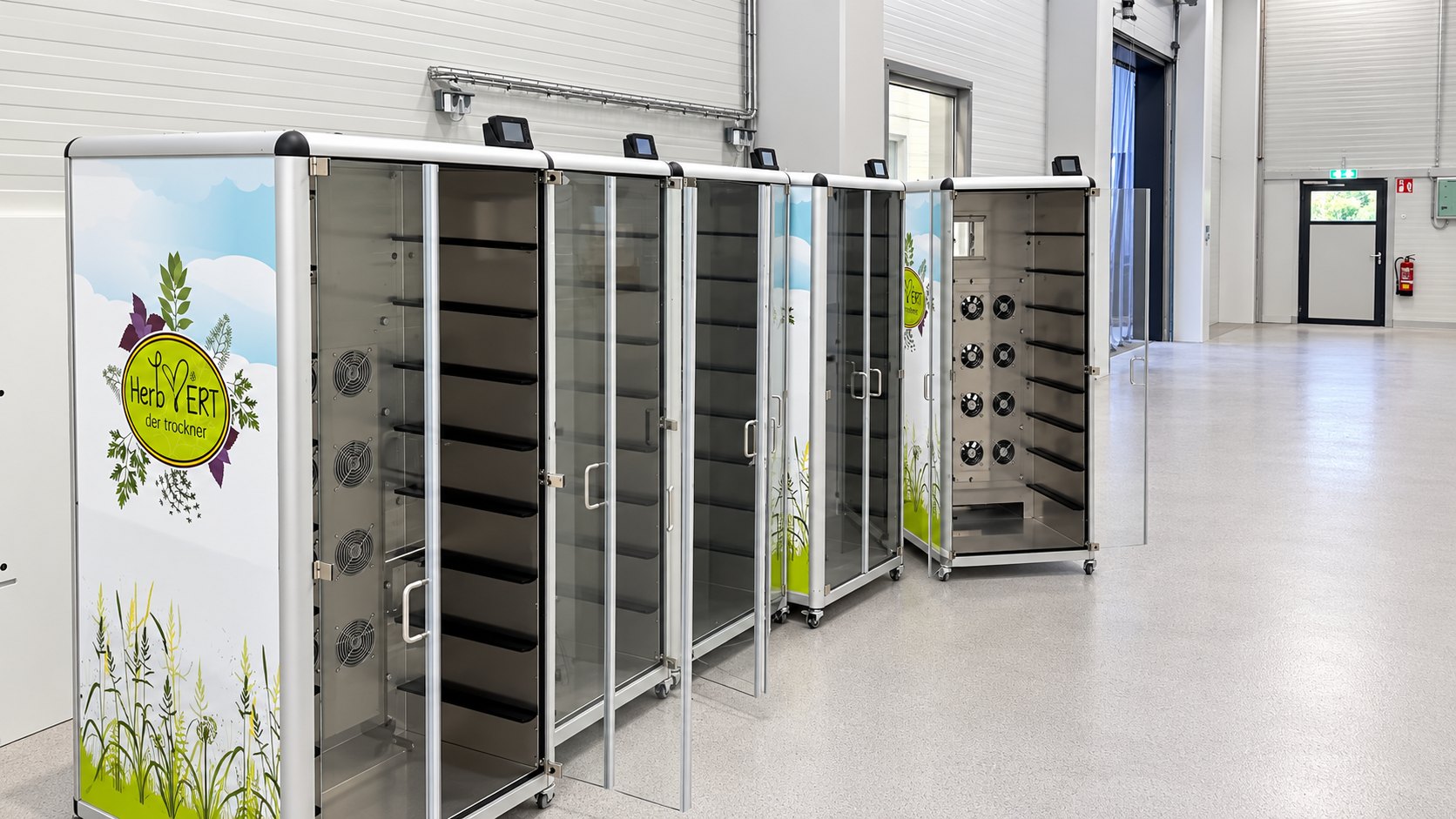
For mushroom growers harvesting 30 kg or more per week: Herb.ERT gently refines surplus and grade-B mushrooms into premium dried mushrooms and mushroom powder – scalable in a cluster, as at Vitus Vitality in Perschling, Austria.
from 30 kg harvest per week
scalable in a cluster
230 V instead of three-phase power
made in Lower Austria
The starting point
How much of your harvest leaves your farm below its value every week?
In professional mushroom production, the whole harvest never becomes grade A: harvest peaks, deviations in size and shape, breakage, stems or short-term gaps in retail demand. Fresh mushrooms only keep for a few days. Whatever is not sold in time goes below price or ends up on the compost heap.
Herb.ERT turns the question around: not “Where do we put it all?” but “What product can we make from it?”. Gentle dry-maturing turns surplus and grade-B mushrooms into shelf-stable premium dried mushrooms and mushroom powder – with an aroma, colour and texture that convince retail, delicatessen and hospitality buyers.

From surplus to premium product
Dried mushrooms. Powder. Stock.
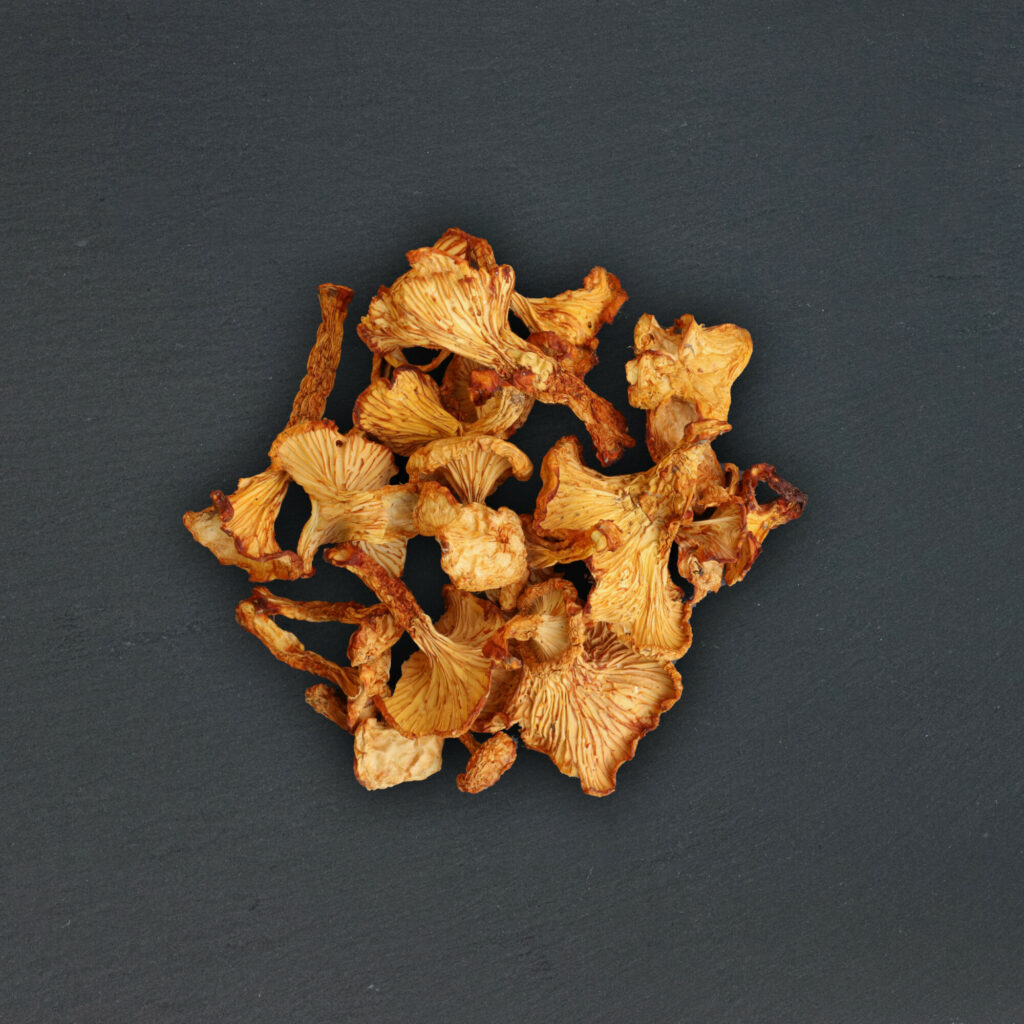

Premium dried mushrooms
Once sliced and gently dried, what counts is aroma, colour and texture – not size or shape. King oyster, shiitake and oyster mushrooms become high-quality dried goods for retail, delicatessen and hospitality.
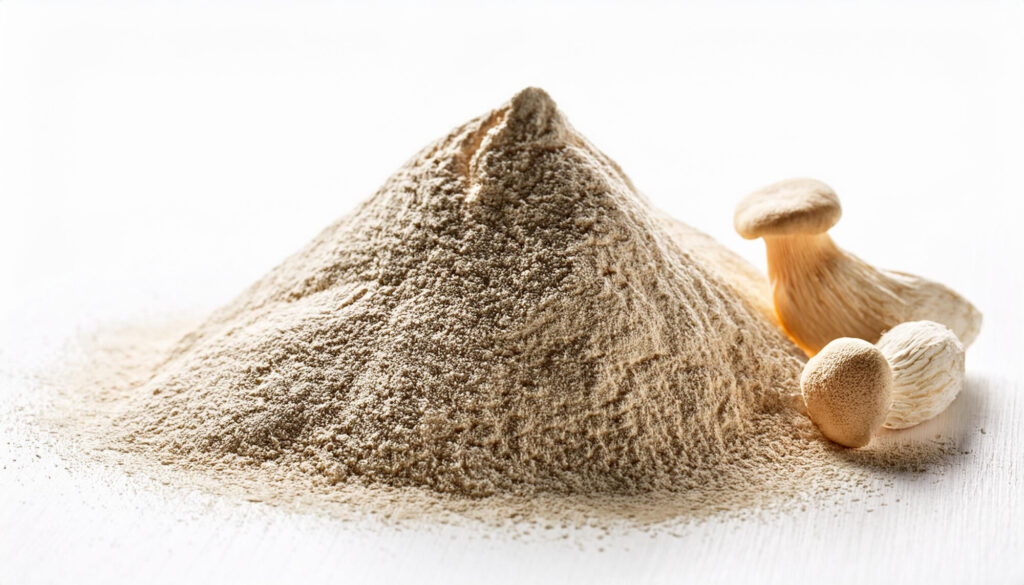

Mushroom powder and seasoning
With 6–8 % residual moisture, dried mushrooms can be ground directly: as a base for mushroom salt, seasoning blends, stocks and sauces or as a functional ingredient for vegan products.
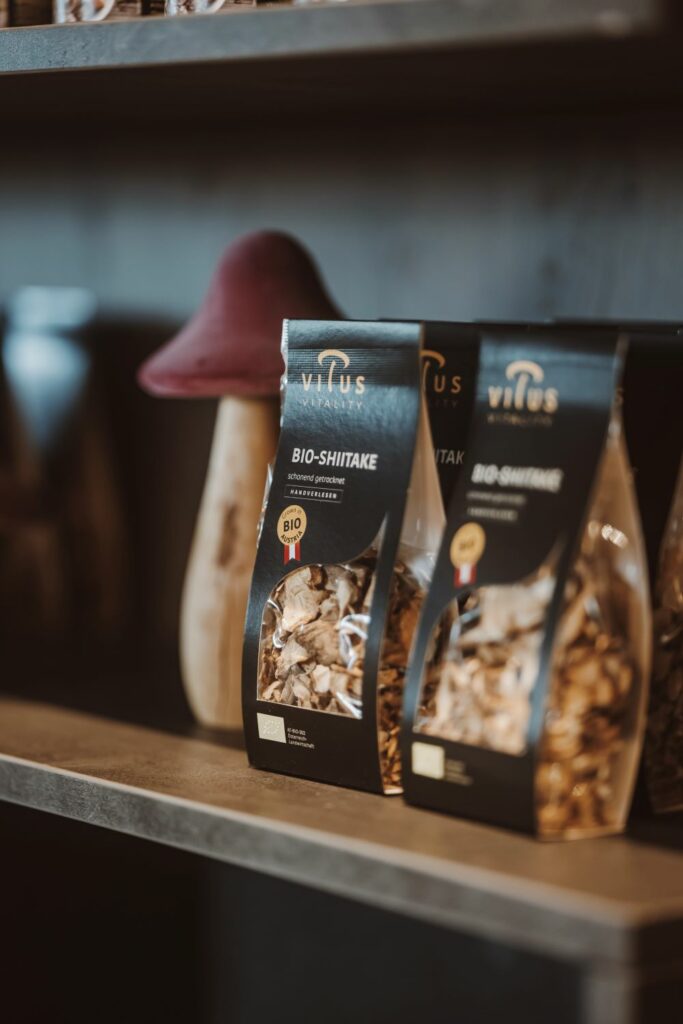

Plannable stock
Dried goods keep instead of spoiling. Harvest peaks are no longer sold off under price pressure but delivered when retail, hospitality or industry need them.
The time capsule
The dried mushroom is a time capsule for your capital
Every fresh mushroom contains capital: substrate, spawn, energy, climate control and many hours of work. As fresh produce, this capital loses value every day and is gone after a few days. Dried, it is preserved for months.
You decide when to sell: in winter, for the Christmas trade, in framework contracts with retail and industry or as raw material for your own products. The comparison shows this with two examples of 30 and 300 kg of surplus and grade-B mushrooms per week. Fresh, the produce keeps for a few days and has to go immediately; dried, it keeps for many months – and is sold when market and price are right.
Comparison: sell fresh or dry?
| Per week | 30 kg surplus / grade B | 300 kg surplus / grade B |
|---|---|---|
| Sold fresh as grade B (€0.30 per kg) | 9 € | 90 € |
| Resulting dried product (approx. 10 : 1) | approx. 3 kg | approx. 30 kg |
| Revenue as dried mushrooms (€30 per kg) | approx. €90 | approx. €900 |
| Revenue as mushroom powder (€50 per kg) | approx. €150 | approx. €1,500 |
| Electricity costs (approx. 7.5 kWh per batch, €0.25 per kWh) | approx. €2 (1 batch) | approx. €20 (10 batches) |
| Additional revenue per week | approx. €79 · as powder approx. €139 | approx. €790 · as powder approx. €1,390 |
| Over 40 production weeks | approx. €3,160 · as powder approx. €5,560 | approx. €31,600 · as powder approx. €55,600 |
Sample calculation based on assumptions. Labour, packaging, grinding and investment are not included; prices vary by variety, quality and sales channel. We will run the numbers with your own figures in a free yield analysis.
Process
Dry-maturing instead of forced drying
Herb.ERT does not dry with heat but in a closed process-air system at 25–40 °C. Drying and resting phases alternate automatically: 50 minutes of operation, 10 minutes of pause. This lets moisture migrate out from the inside, the surface does not harden, and aroma and colour are preserved. Guide values:
18–25 hours
Drying time for sliced mushrooms. Whole or thick-fleshed mushrooms take correspondingly longer.
approx. 10 : 1
About 10 kg of fresh mushrooms yield around 1 kg of dried product, depending on the variety: shiitake approx. 120–150 g, king oyster approx. 100–120 g per kg.
6–12 % residual moisture
Shelf-stable as dried mushrooms. For mushroom powder and mushroom salt, 6–8 % is recommended.
under 3 kW
Power consumption of six drying cabinets with a combined drying area of 43 m², in day-to-day operation at Vitus Vitality.
Mushroom varieties
Which mushrooms are suitable for drying
Herb.ERT dries all common cultivated speciality mushrooms grown on substrate as well as delivered wild mushrooms. The guide values apply to the Herb.ERT drying cabinet at 25–40 °C; before getting started, we recommend a test batch with your own produce. All values in detail in the mushroom drying table (in German).
Cultivated speciality mushrooms
Shiitake
The classic among dried mushrooms. Dried whole, halved or sliced, its aroma intensifies during drying. Yield approx. 120–150 g per kg, 18–25 hours.
King oyster mushroom
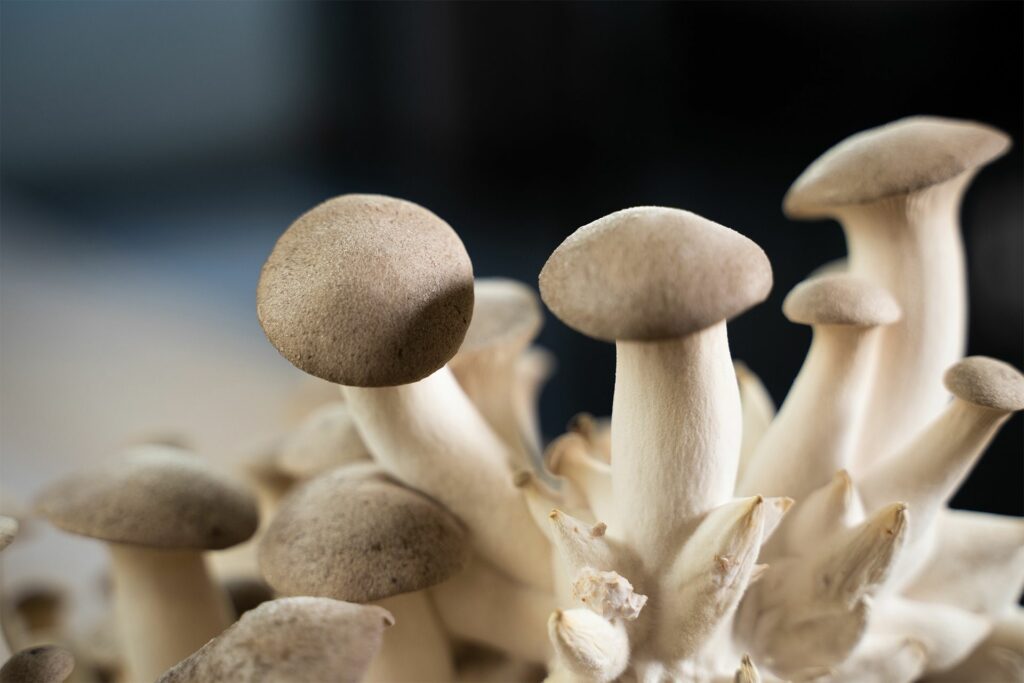
Firm flesh that stays light-coloured when dried. Sliced or in strips, also ideal for powder. Yield approx. 100–120 g per kg, 20–25 hours.
Oyster mushroom
Delicate and thin-fleshed, whole or in strips, spread loosely on the tray. Yield approx. 80–100 g per kg, 18–22 hours.
Pink and golden oyster mushroom
Relatives of the oyster mushroom, just as delicate and quick to dry. Well suited for seasoning blends, mushroom salt and powder.
White and brown button mushroom
High water content, cut into 4–5 mm slices. A base for powder, soups and sauces. Yield approx. 80–100 g per kg, 18–22 hours.
Lion’s mane
Spongy texture, cut evenly into 6–8 mm slices. In demand for powder and speciality products. Yield approx. 80–100 g per kg.
Maitake
Finely branched rosettes, divide before drying. The outer parts dry quickly. Yield approx. 100–120 g per kg, 20–25 hours.
Shimeji (beech mushroom)
Divide the clusters; dries evenly. Popular in Asian cuisine, as a dried product for soups and broths.
Pioppino (black poplar mushroom)
Firm stem, nutty aroma, keeps its texture when dried. For risotto, sauces and delicatessen.
Wood ear (mu-err)
Traditionally traded dried and rehydrates in water. A staple of Asian cuisine.
Reishi
Used almost exclusively dried: sliced, as powder or for tea products.
Cordyceps militaris
Cultivated on substrate and dried for tea and powder products. Fine fruiting bodies, short drying time.
Delivered wild mushrooms: porcini, chanterelles and more
Anyone who buys in wild mushrooms or dries them on a contract basis turns a short season into year-round stock. The prerequisite is inspected, cleaned and sorted produce in line with food law requirements.
Porcini (cep)
The premium product among dried mushrooms. In 5 mm slices; colour retention is decisive. Yield approx. 100–120 g per kg, 18–22 hours.
Chanterelle
Leave small specimens whole, halve larger ones. Yield approx. 80–100 g per kg, 16–20 hours. Particularly good for powder and seasoning.
Black trumpet
Thin-fleshed, dries quickly and develops an intense aroma. Sought after as a seasoning mushroom and for powder.
Morel
Hollow and thin-walled, dries well and is one of the most valuable dried mushrooms of all.
Bay bolete
Dried in slices like porcini. Robust aroma for sauces, soups and blends.
Case study
Vitus Vitality: dried mushrooms in a cluster
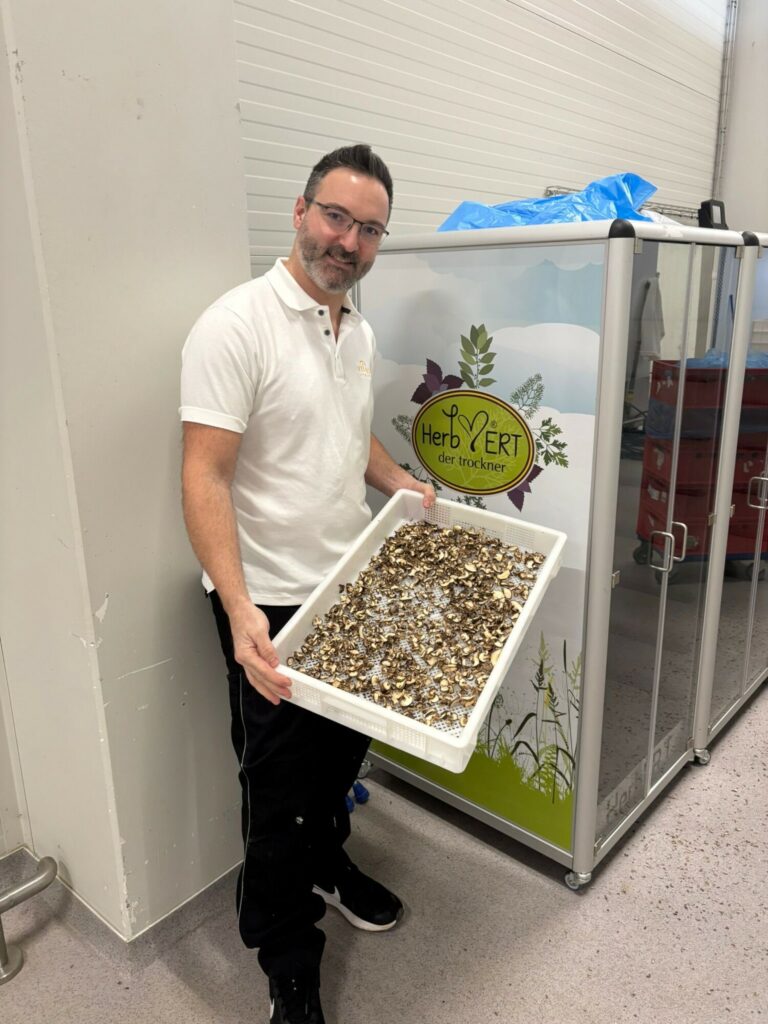
Reference
Vitus Vitality, Perschling (Lower Austria)
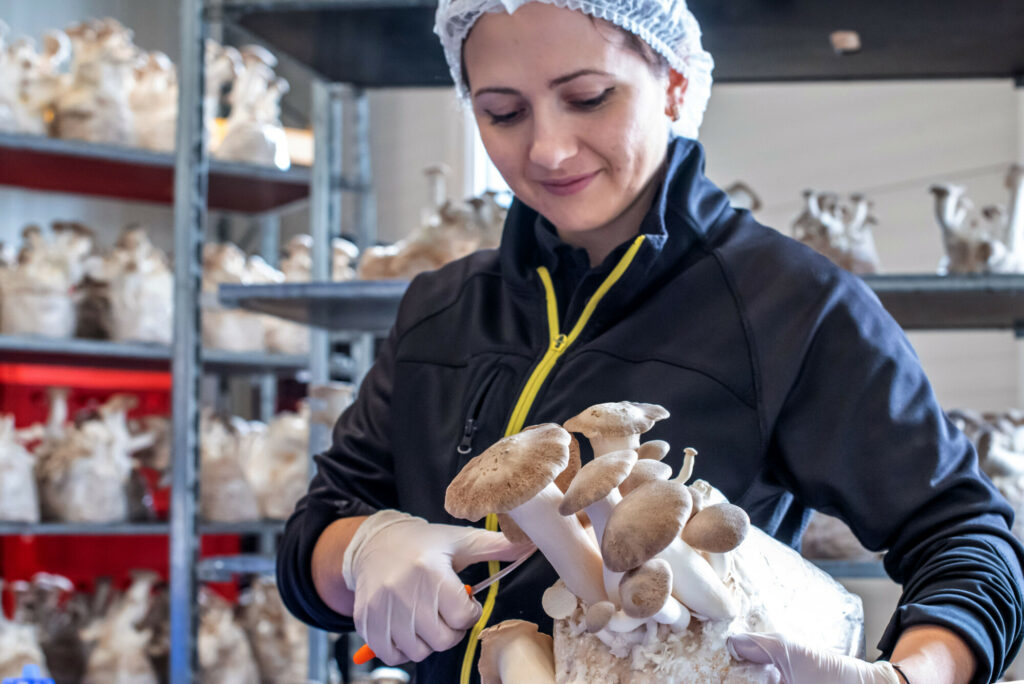
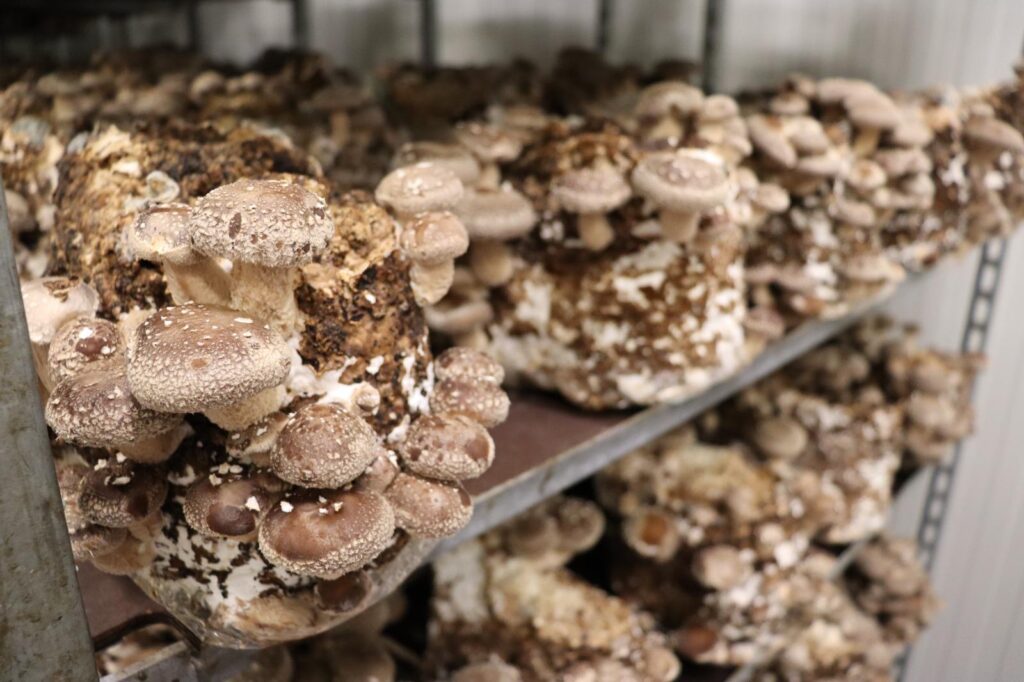
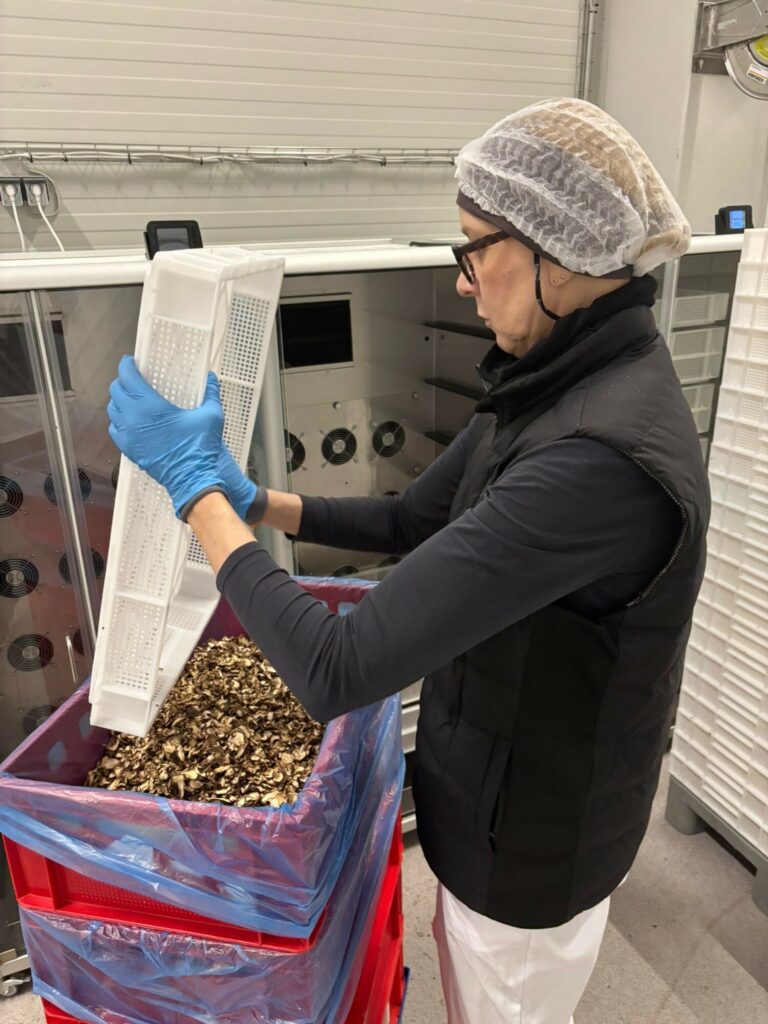
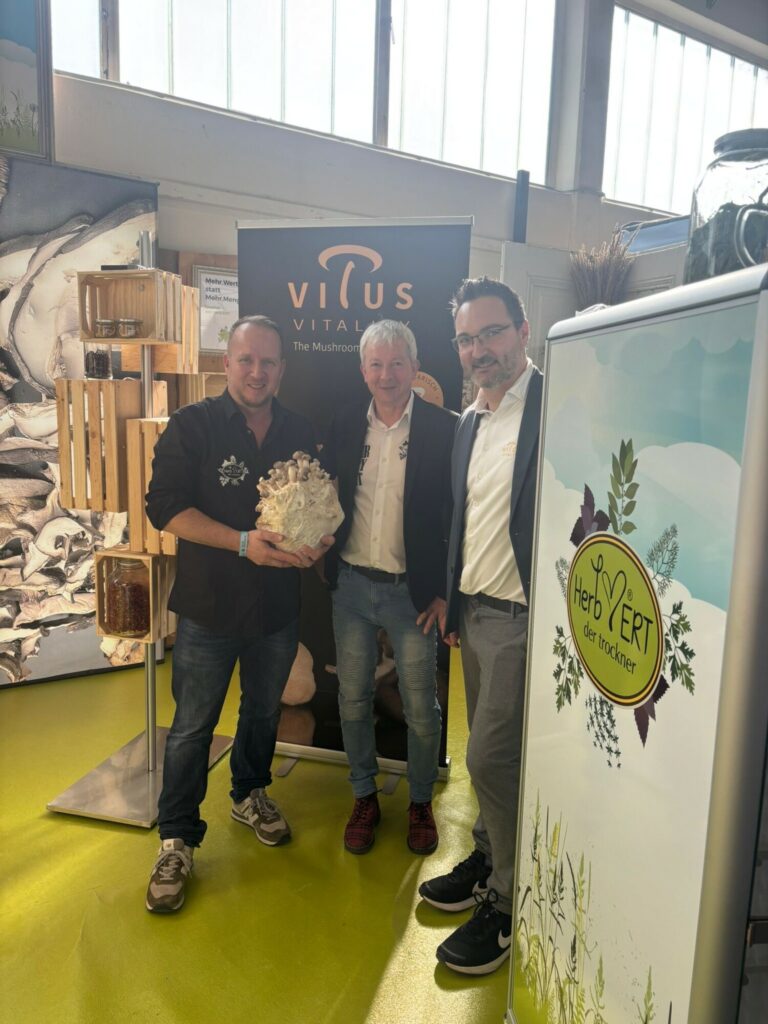
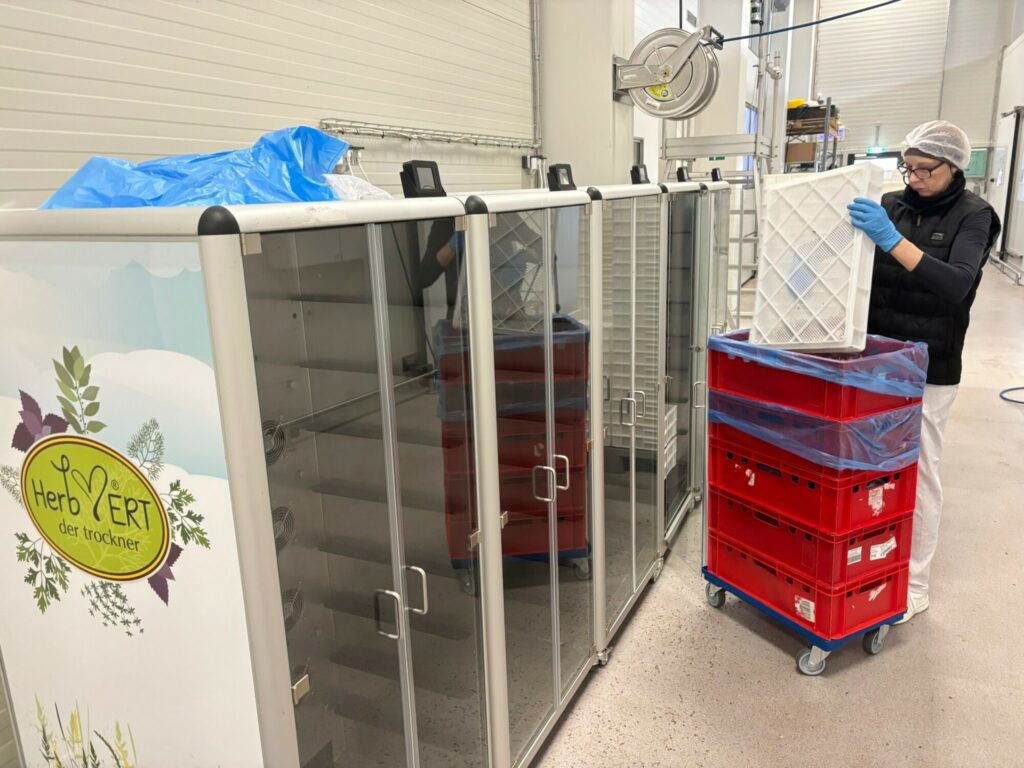
Vitus Vitality grows organic speciality mushrooms such as king oyster, shiitake and oyster mushrooms and processes them into dried mushrooms and mushroom powder – 100 % mushroom, no additives. After the flood in September 2024, processing was rebuilt with a cluster of six Herb.ERT drying cabinets. Each variety is dried in its own batch, and the drying line grows with demand.
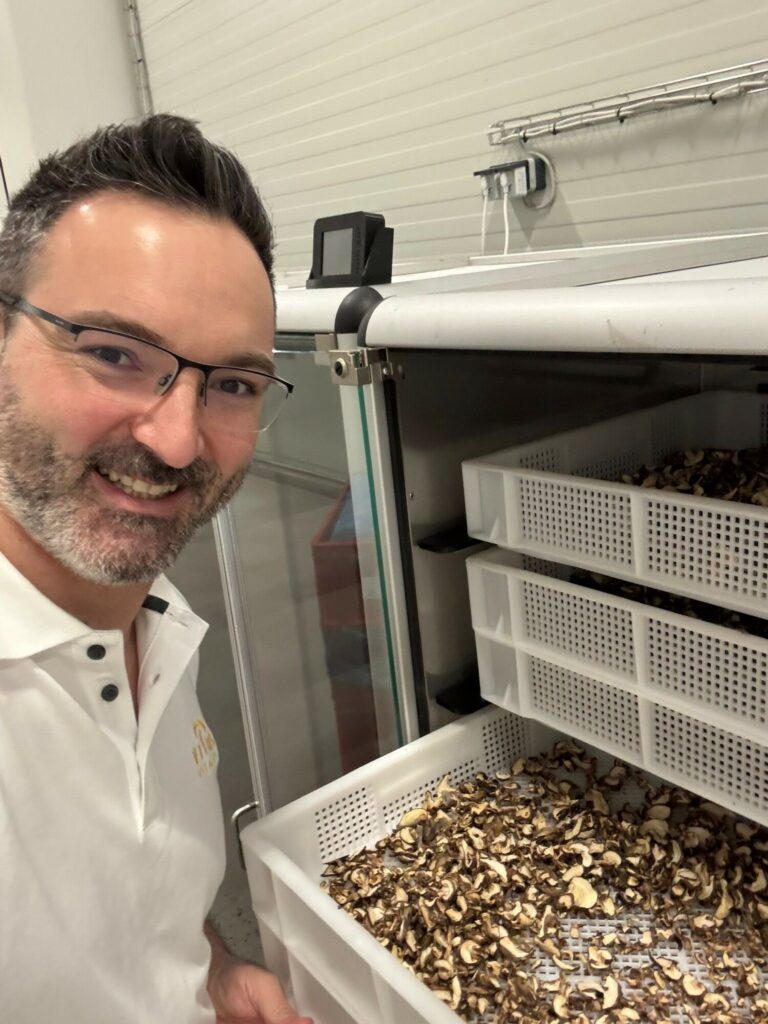
Key figures
Six cabinets, one drying line
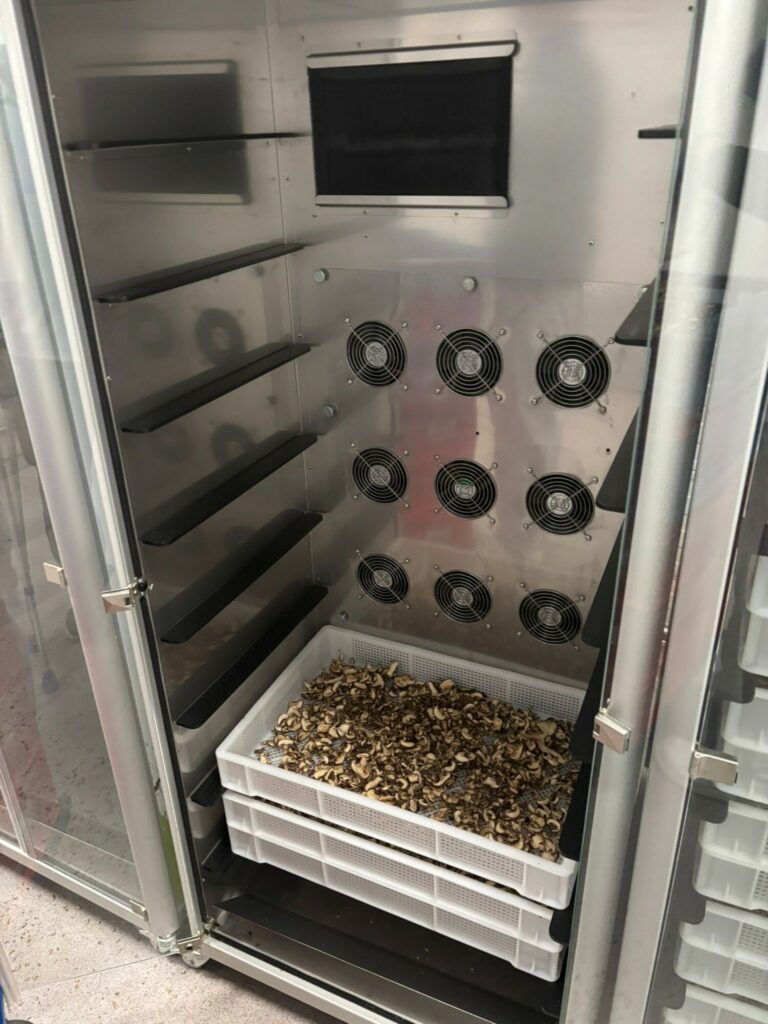
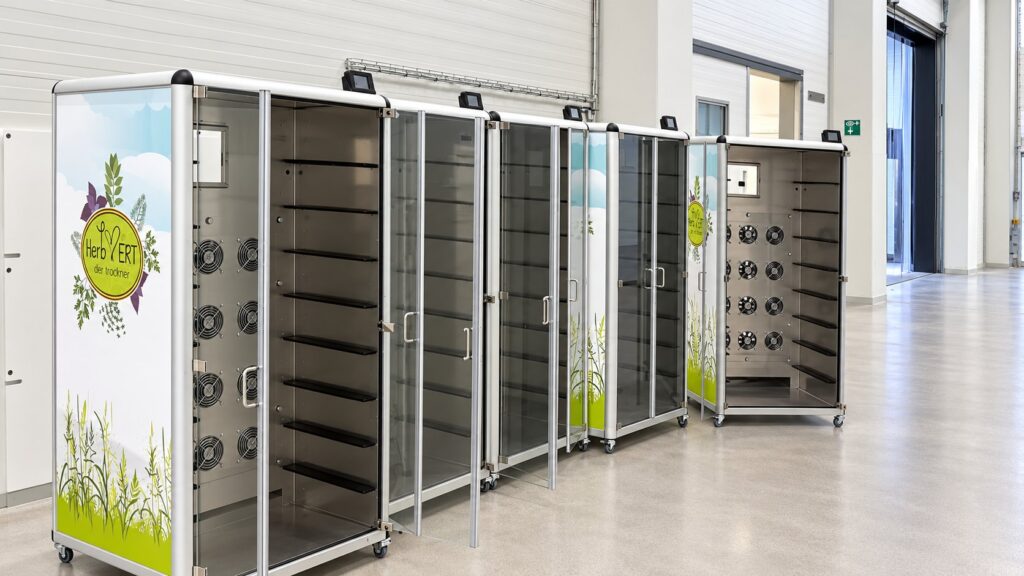
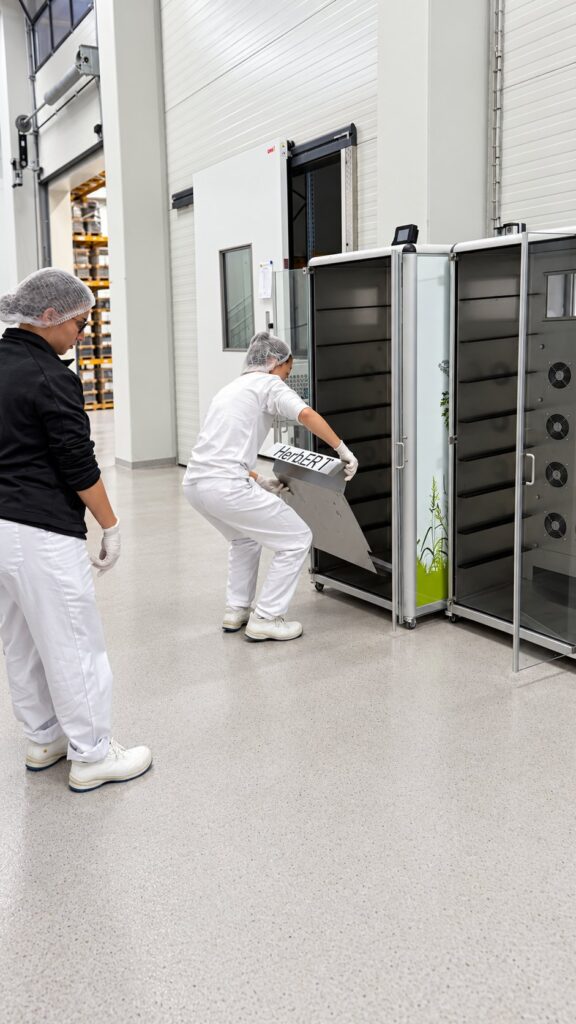
Six Herb.ERT drying cabinets with mushroom turbo plate, a combined drying area of 43 m²: up to 180 kg of fresh mushrooms per run. All six run on standard 230 V sockets and draw less than 3 kW combined. If one cabinet is taken out for maintenance, the others keep running.
Gallery: Vitus Vitality


Sizing
A cluster instead of one large plant
From around 30 kg harvest per week, a dedicated Herb.ERT drying cabinet pays off. As volumes grow, further cabinets are added to the cluster, or a TC Container. The advantage over a single large plant: varieties and harvest volumes are dried in separate batches, capacity grows modularly, and maintenance never shuts down the entire line.
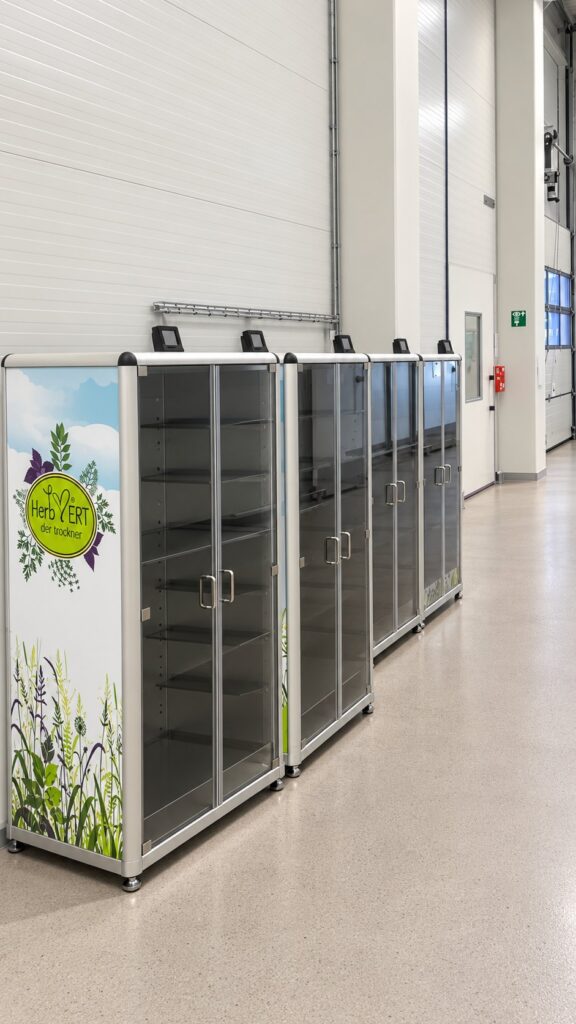
| Type | drying cabinets in a cluster or TC Container, designed per project (custom solutions) |
| Capacity | drying cabinet up to approx. 30 kg fresh mushrooms per batch (7.2 m² drying area); TC Container from 90 kg per batch (72 trays) |
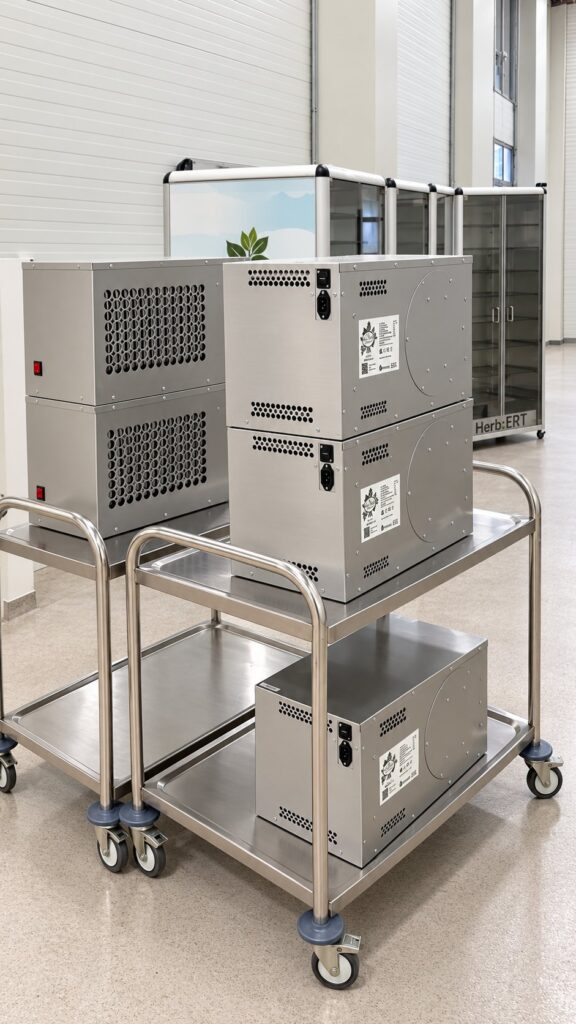
| Mushroom turbo fan | fan module for shorter batches: approx. 150–200 kg fresh mushrooms per week per drying cabinet |
| Process | closed process-air system at 25–40 °C, no exhaust air, no outside air |
| Drying time | 18–25 hours for sliced mushrooms |
| Residual moisture | 6–12 %, for powder 6–8 % |
| Connection | 230 V per drying cabinet, no three-phase connection required |
| Energy | six drying cabinets combined under 3 kW (measured at Vitus Vitality) |
| Hygiene | stainless steel interior, hygienic housing, removable drying module |
| Service | drive motor and control unit individually replaceable, spare parts for at least 10 years |
| Manufacturing | developed and manufactured in Lower Austria for 15 years |
Free mushroom test batch
Send us 5–10 kg of your mushrooms – grade B or surplus is welcome. You get the dried product back together with a log of temperature, humidity, duration, yield and residual moisture. That way you see what becomes of your produce before any investment.
Gallery: Herb.ERT in a cluster
Who it’s for
For three starting points
Overcapacity at harvest peaks
Your farm produces more than the fresh market can absorb. Instead of selling below price, the peak becomes stock that is sold later at full value.
Grade B from sorting
Size, shape, breakage or stems: what is downgraded as fresh produce is, once sliced and dried, a fully fledged raw material for dried mushrooms, powder and seasoning.
Building your own drying line
Own brand, private label, catering packs or industrial ingredient: in a cluster, the drying line grows step by step – without a large one-off investment.
FAQ
Frequently asked questions about professional mushroom drying
Which mushrooms are suitable for professional drying?
Practically all cultivated speciality mushrooms grown on substrate: shiitake, king oyster, oyster mushroom, button mushroom, lion’s mane, maitake, shimeji, pioppino, wood ear, reishi and cordyceps. Plus delivered wild mushrooms such as porcini, chanterelles, black trumpets, morels and bay boletes.
From what volume does Herb.ERT pay off?
From around 30 kg harvest per week, a dedicated drying cabinet with up to approx. 30 kg per batch pays off. For larger volumes, several drying cabinets work together in a cluster, or a TC Container is used. For very small quantities there is the Workstation.
Can grade-B mushrooms really be turned into premium dried mushrooms?
Yes. Size, shape or minor visual flaws hardly matter for sliced and dried produce. What counts is freshness, cleanliness and gentle drying that preserves aroma, colour and texture.
How long do dried mushrooms keep?
With a residual moisture of 10–12 % for whole dried mushrooms or 6–8 % for powder, and dry, dark storage, dried mushrooms keep for many months. That is why they work as a time capsule: the produce is sold when the market is right.
How much electricity does mushroom drying with Herb.ERT use?
One batch in the drying cabinet uses around 7.5 kWh. At Vitus Vitality, six drying cabinets with a combined drying area of 43 m² run on less than 3 kW, on standard 230 V sockets.
Can I test in advance what my mushrooms look like when dried?
Yes. Send in 5–10 kg of your mushrooms. You will receive the dried product and a log of temperature, humidity, duration, yield and residual moisture.
More about Herb.ERT
Read more on herb-ert.at (in German)
Industry
Agricultural mushroom cultivation
Models, capacities and guide values for drying in mushroom cultivation.
Article
Refining surplus and sorted-out produce
How surpluses and grade-B produce become valuable dried products.
Products
Making mushroom powder and mushroom salt
From dried mushroom to delicatessen: grinding, seasoning, packaging.
Guide values
Mushroom drying table
Drying times, temperatures and yields for eight types of mushroom.
Hygiene
Hygiene in mushroom drying
Why the closed system keeps microbial load and quality under better control.
Case study
Vitus Vitality
Six drying cabinets in a cluster: how Vitus Vitality rebuilt its dried mushroom production.
Also: Drying mushrooms: methods compared · Customer references · Energy efficiency
Contact
Request a yield analysis
Tell us briefly about your farm: mushroom varieties, harvest volume per week and how much of it is currently surplus or grade B. Together we will work out which dried products can be made from it and which setup fits.
Phone +43 (0) 2732 21211 · office@herb-ert.at
About Herb.ERT
Herb.ERT, developed and manufactured in Lower Austria for 15 years, is a modular system for the gentle dry-maturing and refinement of food. The technology combines gentle process temperatures with controlled air flow for resource-efficient food processing.
